Kava
Kanna vs Kratom: Two Different Plants, Compared
Sep
Published September 21, 2026 · Updated
Kanna vs Kratom: Two Different Plants, Compared
Kanna vs kratom is a fair question now, so Kratom Folk wrote this sourced comparison.
Both plants now appear in botanical shots, and they often share a shelf.
They even share a first letter.
Beyond that, they differ in origin, chemistry, history and legal status.
This guide sticks to botany, label facts and law.
It makes no claims about effects, and it gives no dosing advice.
Kanna vs Kratom at a Glance
Here is the summary. Each row has its own section below, with sources at the end.
| Feature | Kanna | Kratom |
|---|---|---|
| Scientific name | Sceletium tortuosum | Mitragyna speciosa |
| Plant type | Low-growing succulent | Tropical evergreen tree |
| Plant family | Ice plant family (Aizoaceae) | Coffee family (Rubiaceae) |
| Native region | South Africa | Thailand and neighboring Southeast Asian countries |
| Other names | Channa, kougoed | Ketum (Malaysia) |
| Main compounds | Mesembrine-type alkaloids | Indole alkaloids, mainly mitragynine and 7-OH |
| Traditional forms | Chewed, smoked or brewed as tea | Fresh leaves chewed or dried leaves brewed |
| Federal status (Oct 2026) | Not federally controlled | Leaf and mitragynine unscheduled; 7-OH pending |
| Notable state rules | Louisiana plant law lists Mesembryanthemum spp. | Banned in several states |
| Products we stock | Kanva Kanna + Kava; K Tropix 2K Kanna Blend | Powders, capsules, extracts, shots, tablets |
Where Kanna and Kratom Come From
The plants grow on different continents and in very different climates. That alone shows how unrelated they are.
Kanna: A South African Succulent
Kanna is Sceletium tortuosum, a succulent native to South Africa.
The US Defense Department’s OPSS program describes it the same way.
It belongs to the Aizoaceae, often called the ice plant family. Many relatives grow in dry, rocky ground.
Older botanical texts placed kanna in the genus Mesembryanthemum. That old name matters for one state law, covered below.
Kratom: A Southeast Asian Tree
Kratom is Mitragyna speciosa. NCCIH describes it as a tree in the coffee family, found in Thailand and neighboring countries.
People use its leaves. Then sellers dry and mill them into powder, or concentrate them into extracts.
So kratom is a tropical tree leaf, while kanna is a desert-adapted succulent. They share no close botanical tie.
Plant Part on the Label
Kanna products usually use the aerial parts of the plant, or an extract of them. Kratom products use the leaf.
However, labels don’t always say which part they used. When they don’t, ask the brand or check the COA.
Kanna, Kava, Kanva: Sorting Out the Names
Part of the confusion is simple spelling. Kanna, kava and the brand name Kanva look almost identical on a shelf.
Kanna
Kanna is the plant Sceletium tortuosum. You may also see it spelled channa, or called kougoed.
Kava
Kava is a different plant again, Piper methysticum, from the South Pacific pepper family.
Its main compounds are kavalactones, not alkaloids. Our kava and kratom guide covers it in depth.
Kanva
Kanva Botanicals is a brand, not a plant. Fittingly, its best-known shot combines kanna and kava.
So when you read “Kanva Kanna + Kava,” you are reading one brand name and two plant names.
Kratom
Kratom is Mitragyna speciosa. Also, Malaysian sources often call it ketum.
When a label confuses you, look for the scientific name. It settles the question quickly.
Active Compounds: Mesembrine vs Mitragynine
Both plants contain alkaloids. However, they belong to different structural groups and show up differently on labels.
Kanna’s Mesembrine-Type Alkaloids
Researchers group kanna’s main compounds as mesembrine-type alkaloids. Of these, mesembrine is the best-known one.
Related compounds include mesembrenone, mesembrenol and mesembranol. Reviews in the scientific literature discuss all four.
The balance of these alkaloids can vary by plant and processing, according to a 2021 review in Molecules.
One trademarked ingredient, Zembrin, contains a standardized kanna extract. OPSS also mentions it by name.
Kratom’s Indole Alkaloids
Kratom’s main compounds are indole alkaloids. NCCIH names mitragynine and 7-hydroxymitragynine as the two primary ones.
According to NCCIH, both interact with opioid receptors in the brain. Mesembrine belongs to a different chemical family.
Mitragynine is the most abundant kratom alkaloid. Meanwhile, natural leaf contains only small amounts of 7-OH.
Our mitragynine vs 7-OH guide covers how both appear on kratom labels.
What the Difference Means on a Label
Kratom extracts often print a mitragynine figure. For example, the K Tropix 110mg MIT shot states 110mg mitragynine.
By contrast, the kanna products in our catalog state no mesembrine figure in our data.
So check the bottle and COA.
A mesembrine number and a mitragynine number measure unrelated compounds. You can’t compare them directly.
Traditional Use and History
Both plants have long traditional histories. We describe them briefly, without endorsing any traditional claim.
Kanna in Southern Africa
Indigenous Khoikhoi and San communities used kanna long before it reached Western shelves, according to the 2021 review.
OPSS notes that people traditionally chewed it, smoked it or made it into tea.
The name kougoed is Afrikaans, so it points to that chewing tradition.
Today, brands sell kanna as extracts, powders, edibles and drink blends. OPSS also notes vaping and snorting products.
Kratom in Southeast Asia
In Southeast Asia, people historically chewed fresh kratom leaves or brewed dried leaves into tea.
NCCIH notes historical use among workers and in religious ceremonies. It also notes that research in people remains limited.
Modern kratom products include powders, capsules, liquid extracts, shots and tablets. See our kratom extracts shelf.
Kanna vs Kratom Legal Status in the US
Legal status is where shoppers feel the difference most. Kanna faces far fewer rules than kratom.
Kanna’s Federal Status
Kanna does not appear on the federal controlled substance schedules. Erowid’s law summary also lists it as federally uncontrolled.
In addition, OPSS notes that kanna is not on the Defense Department’s prohibited supplement ingredients list.
Still, OPSS warns service members that UCMJ rules bar using substances to alter consciousness. It also flags possible adulteration.
The Louisiana Question
Louisiana law R.S. 40:989.1 lists “Mesembryanthemum spp.” among plants it restricts for human consumption.
The statute exempts plants kept strictly for aesthetic, landscaping or decorative purposes.
Since botanists once classified kanna under Mesembryanthemum, Louisiana residents should check how the law applies before buying.
We are not lawyers, and this is not legal advice. Louisiana also bans kratom, so kratom blends cannot ship there.
Kratom’s Federal Status
Kratom leaf and mitragynine remain federally unscheduled as of October 6, 2026. However, 7-OH faces pending action.
On July 6, 2026, the DEA published a notice of intent to schedule 7-OH above a threshold.
The proposed thresholds are over 0.05% 7-OH in leaf, or over 1mg per unit in processed products.
Separately, mitragynine pseudoindoxyl, MGM-15 and MGM-16 entered temporary Schedule I on August 26, 2026.
Kratom Folk does not sell those analogs. Track 7-OH on our 7-OH legal status page.
Kratom’s State Rules
Kratom Folk does not ship kratom to Alabama, Arkansas, California, Connecticut, Indiana, Kansas or Louisiana.
We also block Massachusetts, North Dakota, Rhode Island, Tennessee, Vermont and Wisconsin.
Utah and West Virginia restrict extracts. Meanwhile, Kentucky’s ban begins after December 31, 2026.
Laws change often. Check our kratom legality hub before ordering.
Kanna Products on Our Shelf
We stock two products that contain kanna. Neither one is a pure kanna product, so read each label closely.
Kanva Botanicals Kanna + Kava (2oz, $6.49)
Kanva Botanicals pairs kanna with kava in a 2oz shot. It contains no kratom.
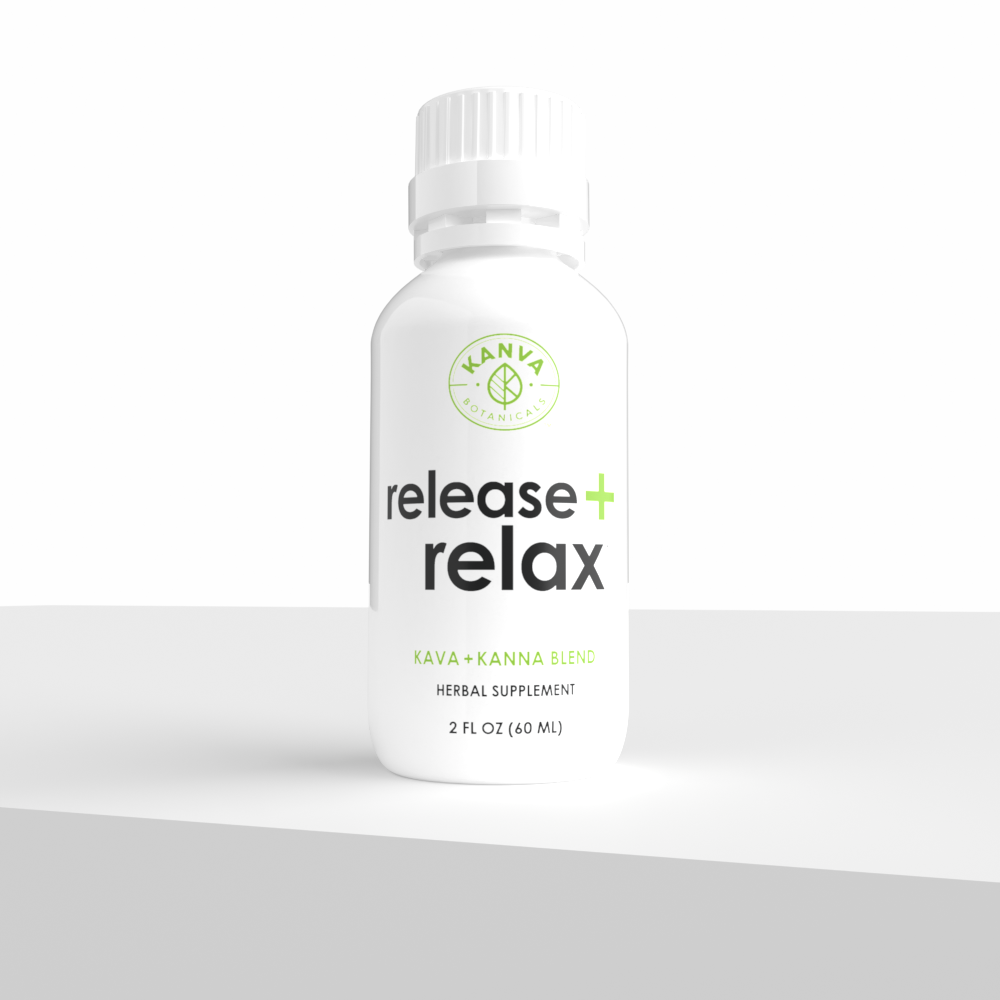
Kanva now sells this original tonic as Release + Relax. The 2026 bottle carries a new design.
At $6.49, it is the lowest-priced kava bottle we stock without kratom. It works out to about $0.11 per mL.
Our data lists no mesembrine or kavalactone figure for it. Check the printed label and the batch COA.
Because it contains kava, the kava safety notes below apply too.
K Tropix 2K Series Kanna Blend ($12.19)
K Tropix sells two 2K Series shots. One adds an energy blend, while the other pairs kratom with kanna.
Both versions cost $12.19 at the time of writing. So the choice comes down to ingredients rather than price.
The Kanna Blend contains kratom. Therefore, it follows kratom shipping rules, unlike the Kanva shot.
Our data lists no mesembrine or mitragynine figure for this shot. Check the bottle and COA.
See the K Tropix 2K Series page for both versions.
How the Two Kanna Products Compare
| Product | Botanicals | Contains kratom? | Size | Price | Follows kratom shipping rules? |
|---|---|---|---|---|---|
| Kanva Kanna + Kava | Kanna, kava | No | 2oz | $6.49 | No |
| K Tropix 2K Kanna Blend | Kanna, kratom | Yes | Single shot bottle | $12.19 | Yes |
Prices are reference retail prices from October 2026. They change, so check each product page.
What We Don’t Stock
We don’t sell pure kanna powders, kanna vapes or snortable kanna products. Our kanna range covers drinkable shots only.
That keeps every kanna product we sell in a format with a printed label, lot number and COA.
If we add more kanna products later, we will list them here with the same label facts.
Safety Notes for Kanna and Kratom
Research on both plants in people is limited. Even so, health agencies flag specific risks worth knowing.
Kanna Safety Notes
- OPSS warns that kanna products might be adulterated with substances such as ephedrine and hordenine.
- OPSS also notes some kanna products are sold for vaping or snorting. We sell neither.
- Kanna blends with kava carry kava’s warnings, including the FDA’s 2002 liver advisory.
Kratom Safety Notes
- The FDA has approved no medical use for kratom, according to NCCIH.
- NCCIH lists reported risks, including nausea, dizziness, seizures, liver problems and contamination.
- In 2025, the FDA recommended scheduling concentrated 7-OH products, not natural leaf.
Shared Safety Basics
- Talk to a doctor before trying either plant, especially if you take medication.
- Do not mix kanna or kratom with alcohol or other substances.
- Do not drive after use, and keep all products away from children.
- Kratom Folk sells only to adults 21 and over.
How Labs Test Kanna and Kratom
A good COA shows what the lab measured. Here is what to look for with each plant.
Kanna COAs
Look for mesembrine-type alkaloid totals, if the brand tests them. Also look for heavy metals and microbes.
Given the OPSS adulteration warning, a screen for added stimulants adds useful confidence.
Kratom COAs
Kratom COAs usually list mitragynine and 7-OH. Many also include heavy metal and microbial panels.
Our kratom COA guide walks through each section with real examples.
Every batch we carry has a COA in our lab results library.
Why Brands Blend Kanna With Other Plants
Kanna rarely appears alone in the shots we see. Instead, brands pair it with kava or kratom.
Brands market these pairings with mood-style names. However, we don’t repeat those claims, because labels can’t verify them.
From a shopper’s view, a blend changes three things: the label, the warnings and the law.
The Label
Each added plant adds another compound group.
Yet most blend labels in our data state no mg figure for any of them.
The Warnings
A kanna and kava blend carries kava’s liver advisory. Meanwhile, a kanna and kratom blend carries kratom’s warnings.
The Law
Adding kratom brings in every state kratom ban. Adding kava does not, as far as our state tracking shows.
Regulatory Timeline
These dates put the legal picture in order. Most of the movement involves kratom, not kanna.
- Louisiana R.S. 40:989.1: the state’s hallucinogenic plant law lists Mesembryanthemum spp.
- July 29, 2025: the FDA recommends scheduling certain concentrated 7-OH products.
- December 15, 2025: OPSS dates its kanna guidance for service members.
- July 6, 2026: the DEA publishes its notice of intent on 7-OH.
- August 26, 2026: three kratom analogs enter temporary Schedule I.
- September 10, 2026: the HHS comment period on 7-OH closes.
- December 31, 2026: Kentucky’s last day of legal kratom sales.
So far, no federal agency has proposed scheduling kanna.
Still, rules can change, and we will update this guide if they do.
Questions to Ask Any Kanna or Kratom Brand
Good brands answer these clearly. If a brand can’t, that tells you something too.
- Which plant parts did you use, and from where?
- What is the alkaloid total per unit, mesembrine or mitragynine?
- For kratom, what is the 7-OH figure per unit?
- Does the lot number link to a third-party COA?
- Does the COA include heavy metals, microbes and an adulterant screen?
See how we vet brands for what we check before stocking a brand.
How to Choose Between Kanna and Kratom Products
We don’t recommend one plant over the other. Instead, a few practical questions narrow the choice.
Where Do You Live?
If your state bans kratom, the Kanva Kanna + Kava shot contains none.
However, Louisiana residents should check the plant law first.
Do You Want a Printed Number?
Kratom extracts often print mitragynine mg. In contrast, our kanna products state no alkaloid figure in our data.
Do You Want One Plant or Two?
Both kanna products we stock are blends.
If you want a single plant, browse our kratom shots or kava-only shots instead.
Do You Avoid Kava?
Then the Kanva shot isn’t for you. The K Tropix 2K Kanna Blend contains no kava.
Is Price the Deciding Factor?
The Kanva shot costs $6.49, while the K Tropix 2K Kanna Blend costs $12.19. That is a gap of $5.70.
However, the two contain different second botanicals. So price alone shouldn’t decide between them.
What We Still Don’t Know
Honest comparisons include the gaps. Here is what the current record can’t yet tell shoppers.
Label Figures for Kanna Blends
First, neither kanna product we stock states an alkaloid figure in our data.
So you can’t compare their strength on paper.
When brands publish mesembrine totals, we will add them here. Until then, the COA is your best tool.
Human Research
Second, research in people is limited for both plants.
NCCIH says so about kratom, and the kanna literature is smaller still.
Because of that, we avoid any claim about what either plant does. We stick to what labels and laws say.
Future Rules
Finally, rules may change. The DEA could finalize 7-OH scheduling at any time, while states keep revising kratom laws.
Kanna has drawn far less attention so far. Even so, that could change as kanna products grow more common.
Kanna and Kratom FAQ
Are kanna and kratom the same plant?
No. Kanna is a South African succulent, while kratom is a Southeast Asian tree in the coffee family.
Does kanna contain mitragynine?
No. Kanna’s main alkaloids are mesembrine-type compounds. Mitragynine comes from kratom.
Is kanna legal in the US?
Kanna is not federally controlled. However, Louisiana’s plant law lists Mesembryanthemum species, so check local rules.
Which kanna product contains no kratom?
Kanva Botanicals Kanna + Kava contains kanna and kava, with no kratom.
What is the biggest kanna vs kratom difference for shoppers?
Legal status. Kratom faces state bans and pending federal 7-OH rules, while kanna faces far fewer restrictions.
What is Zembrin?
Zembrin is a trademarked ingredient containing a standardized extract of Sceletium tortuosum, according to OPSS.
The Bottom Line
Kanna is a South African succulent with mesembrine-type alkaloids. Kratom is a coffee-family leaf with indole alkaloids.
They differ in origin, chemistry, history and law. So read each label on its own terms, and check the COA.
Browse our botanical blends, the kava category, or read kava vs. kratom differences next.
Sources
- OPSS (US Department of Defense): Kanna uses and safety in dietary supplements
- Molecules (2021): review of the biological and pharmaceutical properties of Sceletium tortuosum
- Louisiana R.S. 40:989.1: hallucinogenic plants
- Erowid: Kanna legal status summary
- NCCIH: Kratom
- HHS: FDA recommends scheduling action on 7-OH (July 29, 2025)
- Federal Register: DEA notice of intent on 7-OH, 91 FR 40917 (July 6, 2026)
- Federal Register: temporary Schedule I order for three kratom analogs, 91 FR 54948 (August 26, 2026)
These statements have not been evaluated by the Food and Drug Administration. Kratom products are not intended to diagnose, treat, cure or prevent any disease. Sold only to adults 21 and over where lawful. This article is general information, not medical or legal advice. See our FDA disclaimer.
