Basics
What Is Maeng Da Kratom? The Name, the Lore and the Labels
Feb
Published February 13, 2026 · Updated
What Is Maeng Da Kratom? The Name, the Lore and the Labels
Few kratom names are as famous, yet Maeng Da kratom has no botanical definition. OPMS and others still use it.
So what does the name actually mean? And what can a label tell you that the name can’t?
This guide covers the Thai word, the vendor stories and the science on strain names. Then it covers real products.
As always at Kratom Folk, we skip effect lore and dosing advice. Instead, we focus on what you can verify.
Quick Answer
- Maeng Da is a trade name, not a separate plant species or a registered cultivar.
- All kratom comes from one species, Mitragyna speciosa. Strain names are marketing labels layered on top.
- In Thai, “maeng da” names a giant water bug. As slang, it also means a pimp.
- Vendors often claim it means “pimp grade,” or top grade. We found no reliable source confirming that story.
- Research suggests strain and color names don’t reliably predict alkaloid content. So read the label and the COA.
Where the Maeng Da Kratom Name Comes From
The name comes from Thai. Written แมงดา, it is usually romanized as “maeng da” or “mang da.”
The literal meaning: a water bug
Literally, maeng da refers to the giant water bug, Lethocerus indicus. This large freshwater insect is common in Southeast Asia.
In Thailand, people also eat it. Cooks fry it whole or pound it into chili sauces, says one Thai lexicon.
So the word has nothing to do with kratom in its everyday sense. It is an insect name first.
The slang meaning: a pimp
Thai speakers also use maeng da as a metaphor. As slang, it means a pimp, procurer or gigolo.
A Thai language guide traces the metaphor to the bug itself. The male water bug rides on the female’s back.
That slang sense seems to be the source of the kratom name. Yet that link is folk etymology, not history.
The vendor story: “pimp grade”
Kratom vendors often say Maeng Da means “pimp grade.” In Western slang, “pimped” can mean souped-up or top tier.
So the story goes that growers used the name for their best leaf. Others add tales of grafted trees.
We looked for reliable sources on those stories. We found vendor blogs and marketing, but no botanical or academic record.
Therefore, read the origin story as lore. It may be partly true, but nobody has documented it verifiably.
Is Maeng Da a Strain?
In everyday kratom talk, yes. In botany, not really.
All kratom comes from one tree species, Mitragyna speciosa. It grows across Southeast Asia, including Thailand and Indonesia.
Within that species, vendors sell dozens of “strains.” These names usually combine a region, a color or a grade.
- Region names include Sumatra, Bali, Borneo and Indo.
- Color names include red, green and white vein.
- Grade or style names include Maeng Da and Trainwreck.
None of these names comes with a legal or scientific standard. So any seller can apply them to any leaf.
We found no botanical registry that defines Maeng Da as a distinct cultivar. So the name describes marketing, not genetics.
How the names stack up
Because names stack, you will see products like “White Maeng Da” or “Green Vein Maeng Da.”
Those combine a color name with a trade name. Each part is a vendor choice rather than a measured property.
Similarly, “Maeng Da + Bali” pairs a trade name with a regional one. The label tells you what’s inside.
For more on color names, read red vs green vs white kratom.
What the Science Says About Strain Names
Researchers have started to test whether strain names match chemistry. So far, the results don’t support the marketing.
Color names and alkaloids
In 2023, researchers analyzed kratom products sold as red, green and white strains.
They found no significant differences in alkaloid content between the colors. The authors pointed to marketing narratives instead.
That study covered color names rather than Maeng Da specifically. Still, it shows how loosely strain labels track chemistry.
Real variation that names don’t capture
Kratom chemistry does vary, just not along vendor lines. For example, a 2022 study of Thai samples found regional differences.
In that study, mitragynine ranged from about 0.75% to 2.66% of dry leaf weight.
Meanwhile, a 2020 study of 53 commercial products found two distinct chemical profiles, or chemotypes.
One minor alkaloid, speciofoline, varied by more than 90-fold between products. No strain name predicted it.
So two bags called “Maeng Da” can differ a lot. Equally, one may match a bag with another name.
What this means for buyers
The name on the front of a pack is a starting point, not a specification.
Instead, the useful facts sit on the back: format, leaf or extract, mg figures and a lot number.
Then the COA confirms what one batch contains. That is the only reliable way to compare two “Maeng Da” products.
Maeng Da Kratom Products at Kratom Folk
We currently stock two Maeng Da lines. One is raw leaf, and the other is a liquid extract.
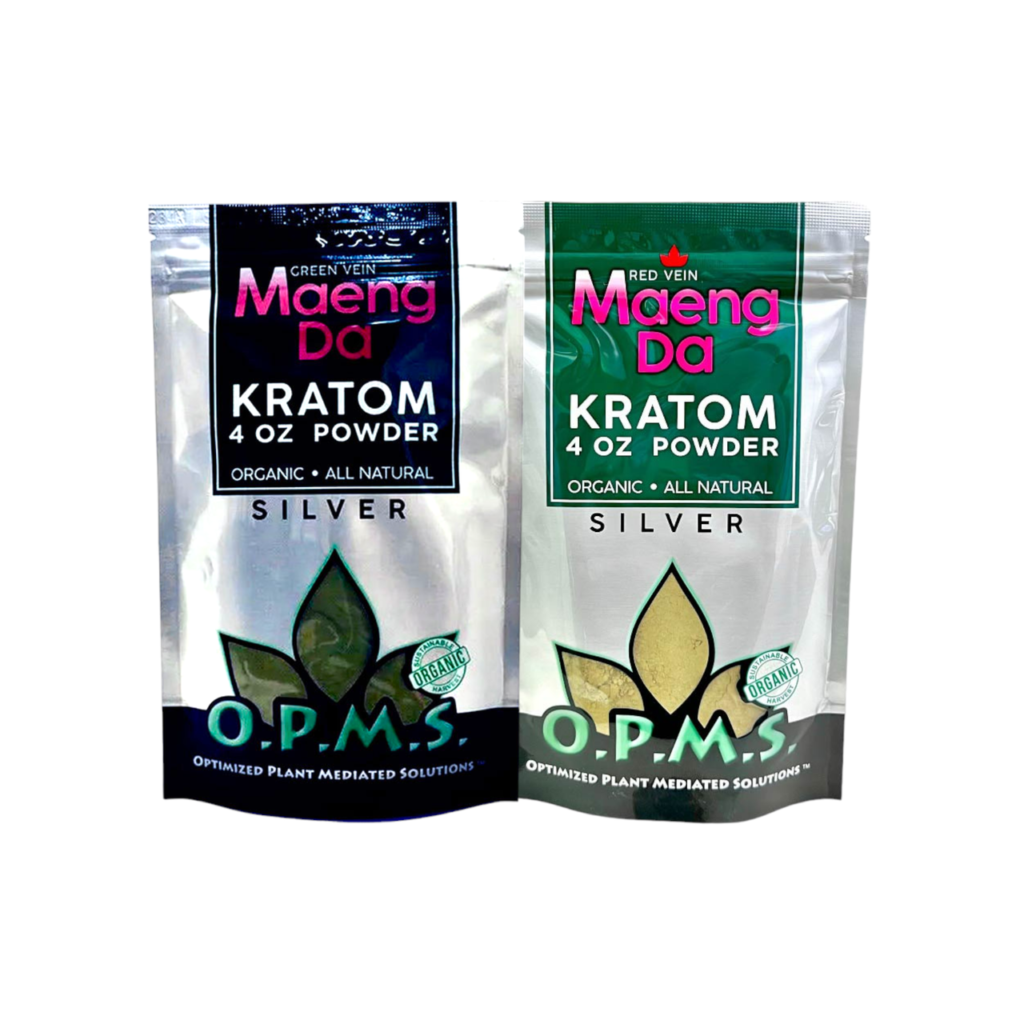
OPMS Silver Maeng Da sampler
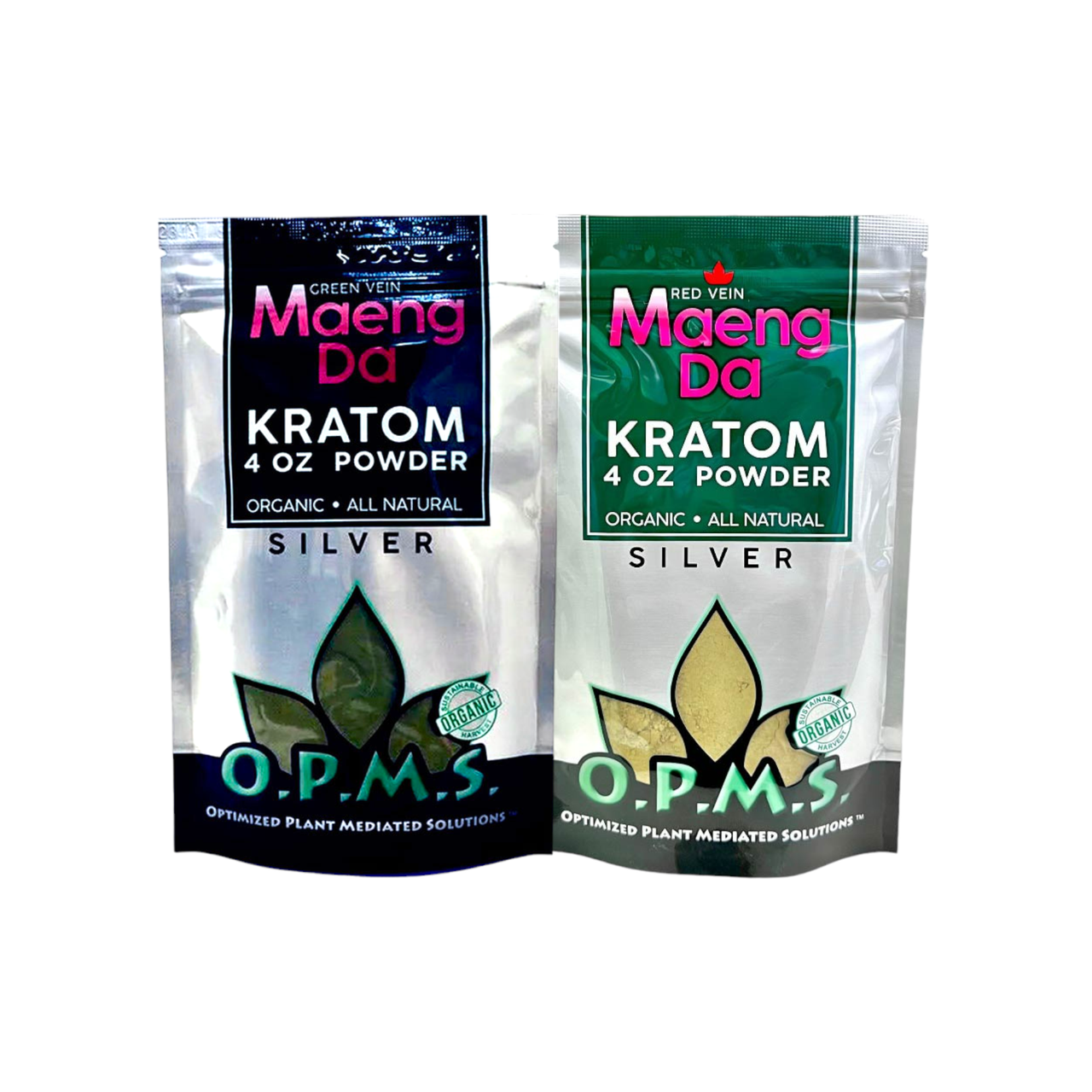
The OPMS Silver Maeng Da sampler holds raw-leaf kratom from the brand’s Silver line.
It comes as powder or capsules. Both formats hold the same whole-leaf, non-extract Maeng Da leaf.
At our October 2026 reference prices, the powder sampler costs $18.82. Meanwhile, the capsule sampler costs $13.24.
Samplers keep a first purchase small. After that, you can move to full packs once you know your preferred format.
OPMS Silver is the brand’s raw-leaf range. It sits below the Gold and Black extract tiers in concentration.
What testing has shown for OPMS Silver Maeng Da
In 2023, the Tampa Bay Times tested OPMS Silver Green Vein Maeng Da capsules.
The paper measured 5.15mg mitragynine per capsule, or 618mg across the whole bag.
That result covers one past batch, and our sampler may differ. So check the current lot’s COA before you compare.
The paper also noted that the label carried no serving instructions. Many leaf labels share that gap.
Krave Maeng Da extract shots
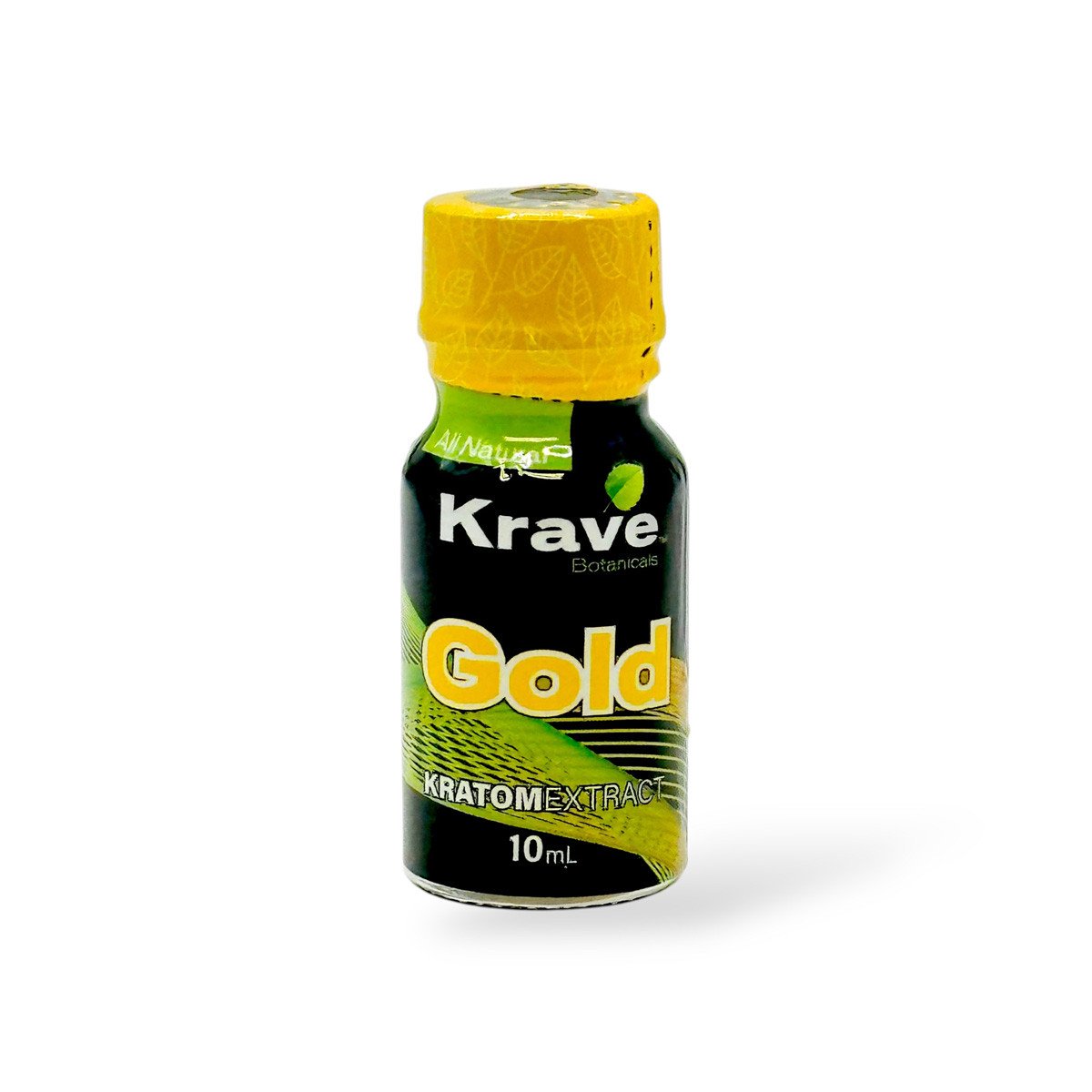
Krave names its liquid shots after leaf blends. Three of its four blends use the Maeng Da name.
- Maeng Da + Bali
- Trainwreck + Maeng Da
- White Maeng Da
The fourth blend is Gold. All four Krave kratom extract shots cost $5.35 at our reference price.
That makes Krave one of the cheapest ways to compare blend names side by side.
However, our product data lists strength as blend-dependent. So read each bottle for its extract and mitragynine figures.
Maeng Da Products Compared
This table compares the Maeng Da products we stock. Prices are October 2026 references and change over time.
| Product | Brand | Format | Leaf or extract | Strength on our product data | Reference price |
|---|---|---|---|---|---|
| Silver Maeng Da sampler (powder) | OPMS | Powder sampler | Raw leaf | Whole-leaf, non-extract | $18.82 |
| Silver Maeng Da sampler (capsules) | OPMS | Capsule sampler | Raw leaf | Whole-leaf, non-extract | $13.24 |
| Maeng Da + Bali shot | Krave | Liquid shot | Extract | Blend-dependent; see bottle | $5.35 |
| Trainwreck + Maeng Da shot | Krave | Liquid shot | Extract | Blend-dependent; see bottle | $5.35 |
| White Maeng Da shot | Krave | Liquid shot | Extract | Blend-dependent; see bottle | $5.35 |
Notice that the OPMS and Krave products share a name but not a format. One is leaf, the others extract.
That difference matters far more than the shared name. Extracts concentrate alkaloids, while leaf keeps them at natural levels.
Leaf Maeng Da vs Extract Maeng Da
A Maeng Da powder and a Maeng Da shot are very different products. Here is how their labels differ.
Raw leaf
- Dried, milled Mitragyna speciosa leaf with no extraction step.
- The 2022 Thai study above found about 0.75% to 2.66% mitragynine by dry weight.
- Labels often state net weight rather than alkaloid content.
- Comes as loose powder or in capsules.
Liquid extract
- Concentrated alkaloids in a liquid base.
- Labels often list extract mg, mitragynine mg or both.
- Small bottles, single units and a faster per-unit comparison.
- Usually carries the bitter taste of concentrated extract.
For a deeper comparison, read kratom extract vs powder.
Also, our guide to mitragynine on labels explains how to convert percentages to mg.
Why Strain Names Aren’t Standardized
If Maeng Da has no fixed meaning, why does everyone use it? The answer comes down to the kratom trade.
No official naming body
Kratom has no official registry for strain names. So no group decides what can carry the Maeng Da name.
In contrast, many crops have registered cultivars with documented traits. Kratom strain names never went through that process.
Supply chains blur origins
Leaf often passes through several hands before it reaches a brand. Growers, collectors, exporters and importers may each relabel it.
As a result, a single name can cover leaf from many farms and regions.
Names sell
Finally, a famous name helps a product stand out. Maeng Da is among the best-known names in kratom.
That recognition gives brands a reason to keep using it. Yet recognition says nothing about what a specific batch contains.
Maeng Da Myths, Checked
Vendor pages repeat a handful of claims about Maeng Da. Here is how each holds up against the evidence.
“It comes from a special tree”
Some vendors say Maeng Da comes from grafted or selectively bred trees. We found no botanical record supporting this.
That doesn’t prove the story false. However, it means no one has shown it in a way buyers can check.
“It’s always a green vein”
Not on real shelves. Brands sell red, green and white Maeng Da, and Krave sells a White Maeng Da shot.
So the color, if any, is a separate label choice. It doesn’t come built into the name.
“It’s always the strongest”
The name can’t tell you that. Alkaloid content varies by region, harvest and batch, as published studies show.
Instead, compare the mg figures on the label. Then confirm them on the batch COA.
“It only comes from Thailand”
The word is Thai, but the name now travels far beyond Thailand. Brands apply it to leaf from many sources.
So check the label for any stated origin. If none appears, the name alone won’t tell you.
How Maeng Da Compares With Other Strain Names
Maeng Da is one of many names on kratom shelves. Here it is beside a few others we stock.
- OPMS Silver Red Vein Sumatra capsules use a regional name plus a color, at $5.89.
- OPMS Silver powder comes in Red Vein Sumatra and White Vein Indo, both $9.55.
- Krave’s “Trainwreck + Maeng Da” pairs two trade names in a single extract shot.
- Krave’s “Maeng Da + Bali” pairs a trade name with a regional one.
Regional names at least point to a place. By contrast, Maeng Da points to a grade claim that nobody measures.
Either way, the same rule applies. The label and the COA tell you more than any name.
Why the name persists
Even without a standard, the name does one useful job. It tells shoppers a product belongs to a familiar category.
So read Maeng Da on a label as “a vendor-selected leaf grade.” Then look for the facts behind it.
How to Read a Maeng Da Label
Skip the name and go straight to the facts. Here is what to look for on any Maeng Da product.
- Format: powder, capsule, shot or tablet.
- Leaf or extract: the label should say which one.
- Net weight or volume: grams for leaf, mL for liquids.
- Alkaloid content: mitragynine mg, if the brand lists it.
- Lot number: the code that links your pack to its batch COA.
- Warnings: age limits and the brand’s printed cautions.
Our page on reading a kratom label covers each field with examples.
Then open the batch COA in our lab results library. Our guide to reading a kratom COA explains each line.
How to Choose a Maeng Da Product
We won’t rank Maeng Da products by how they feel. Instead, match them to your priorities on format and price.
Choose the OPMS sampler if
- You want raw leaf rather than an extract.
- You want to try powder or capsules in a small first purchase.
- You prefer the capsule option, which costs less than the powder sampler.
Choose a Krave shot if
- You want a liquid extract in a single bottle.
- You want to compare blend names at one low price each.
- You are comfortable reading each bottle for strength figures.
Consider a sampler pack if
- You want to compare several brands or formats without buying full packs.
- You prefer to judge labels and COAs across products before committing.
Our guide to kratom sampler packs covers your options, and so does our samplers category.
Storing Maeng Da Powder and Capsules
Raw leaf keeps best sealed, dry and away from heat and sunlight. Similarly, capsules prefer a cool, dry cupboard.
Also, store every product well away from children and pets. For more detail, read how to store kratom.
Legal and Safety Notes
Maeng Da is kratom, so the same laws apply as for any other kratom product. The name changes nothing legally.
Kratom law varies by state, county and city. Several states ban kratom outright, while others restrict extracts.
Under our current rules, we don’t ship kratom to these states:
- Alabama, Arkansas, California and Connecticut
- Indiana, Kansas, Louisiana and Massachusetts
- North Dakota, Rhode Island, Tennessee, Vermont and Wisconsin
Some cities and counties add their own bans too. For instance, San Diego and Sarasota County have local rules.
Federally, kratom leaf and mitragynine remain unscheduled. However, the DEA has proposed scheduling 7-OH above set thresholds.
Leaf Maeng Da isn’t a 7-OH product. Still, you can follow every update on our 7-OH legal status tracker.
Also, our current rules stop extract shipments to Utah and West Virginia. Leaf follows separate rules there.
Laws change often, and this page is not legal advice. So check our kratom legality hub before ordering.
We sell to adults 21 and over only. Talk to a doctor before using kratom, especially alongside any medication.
Don’t combine kratom with alcohol or other substances. Also, don’t drive after use, and keep products away from children.
Maeng Da Kratom FAQ
What does Maeng Da mean?
In Thai, it names the giant water bug. As slang, it means a pimp, which vendors link to “pimp grade.”
Is Maeng Da a different plant?
No. All kratom comes from Mitragyna speciosa. Maeng Da is a trade name, not a separate species or registered cultivar.
Is Maeng Da the strongest kratom?
The name alone can’t tell you. Alkaloid content varies by batch, so compare mg figures and the COA instead.
What does White Maeng Da mean?
It pairs a color name with the Maeng Da trade name. Both parts are vendor choices rather than measured properties.
Do OPMS and Krave Maeng Da products contain the same leaf?
We can’t say. Different brands source leaf separately. Also, OPMS sells raw leaf, while Krave sells liquid extract.
Are Maeng Da capsules different from Maeng Da powder?
In the OPMS sampler, no. Both formats hold the same leaf. Capsules simply pre-measure it into fixed units.
How much Maeng Da should I take?
We don’t give dosing advice. Read the brand’s label and talk to a doctor before using any kratom product.
The Bottom Line
Maeng Da is a famous trade name with a colorful, unverified backstory. It isn’t a botanical category.
So use the name as a starting point. Then read the format, the mg figures and the COA.
Browse the OPMS range or the Krave range to compare Maeng Da labels yourself.
You can also explore our kratom powder, kratom capsules and kratom shots categories.
Sources
- Thailand Starter Kit: common Thai metaphors (maeng da)
- Thailex: giant water bug (Lethocerus indicus)
- Huisman et al., IJERPH (2023): differences between kratom strains
- Leksungnoen et al., Frontiers in Plant Science (2022)
- Todd et al., Scientific Reports (2020)
- Tampa Bay Times: we tested 20 kratom products (2023)
These statements have not been evaluated by the Food and Drug Administration. Kratom products are not intended to diagnose, treat, cure or prevent any disease. Sold only to adults 21 and over where lawful. This article is general information, not medical or legal advice. See our FDA disclaimer.
