
03
Oct
A plain-English guide to kratom shots: the main formats, how labels state extract and mitragynine mg, how to store them and how to compare bottles fairly.

Labels, formats, COAs and how kratom products work.
A plain-English guide to kratom shots: the main formats, how labels state extract and mitragynine mg, how to store them and how to compare bottles fairly.
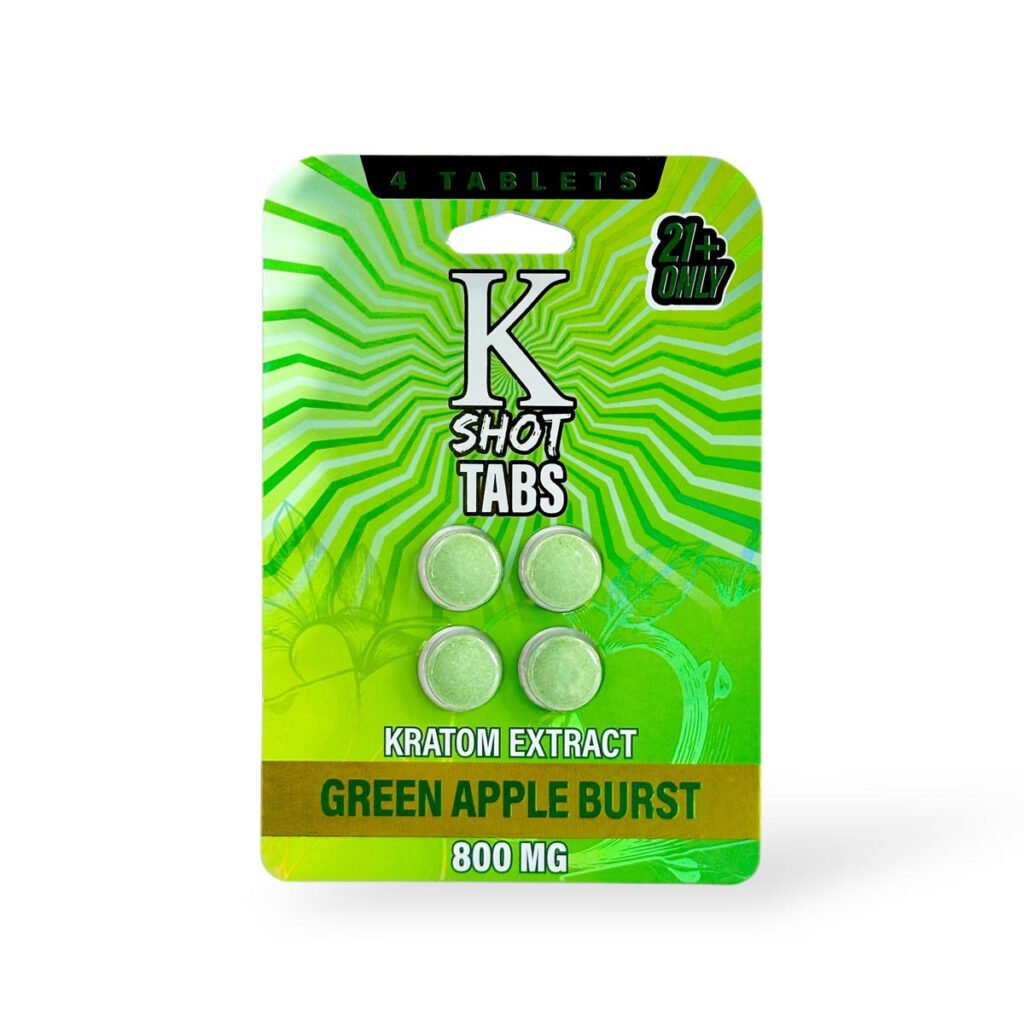
Tablets, leaf capsules, extract capsules and shots hold very different things. We compare what is inside, label clarity, portability and price per mg.
Kratom is a whole leaf with a trace of 7-OH. 7-OH products concentrate that one alkaloid, mostly by semi-synthesis. Here is how labels and laws differ.
Human studies put mitragynine’s half-life at roughly 23 to 68 hours, but detection windows remain undefined. Here is what the research shows and why answers vary.
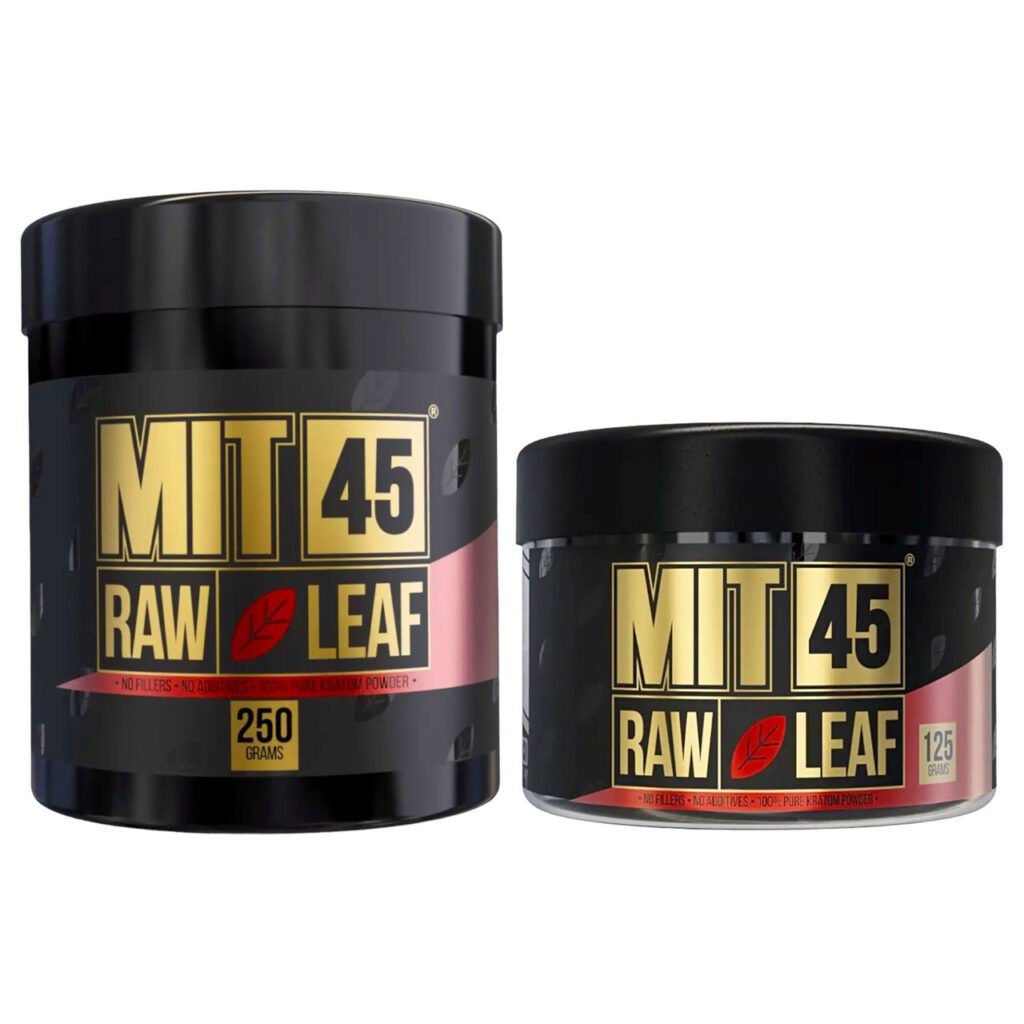
Raw leaf or extract? We compare how each is made, how labels state strength, real price per mg math, storage and the states that allow leaf only.
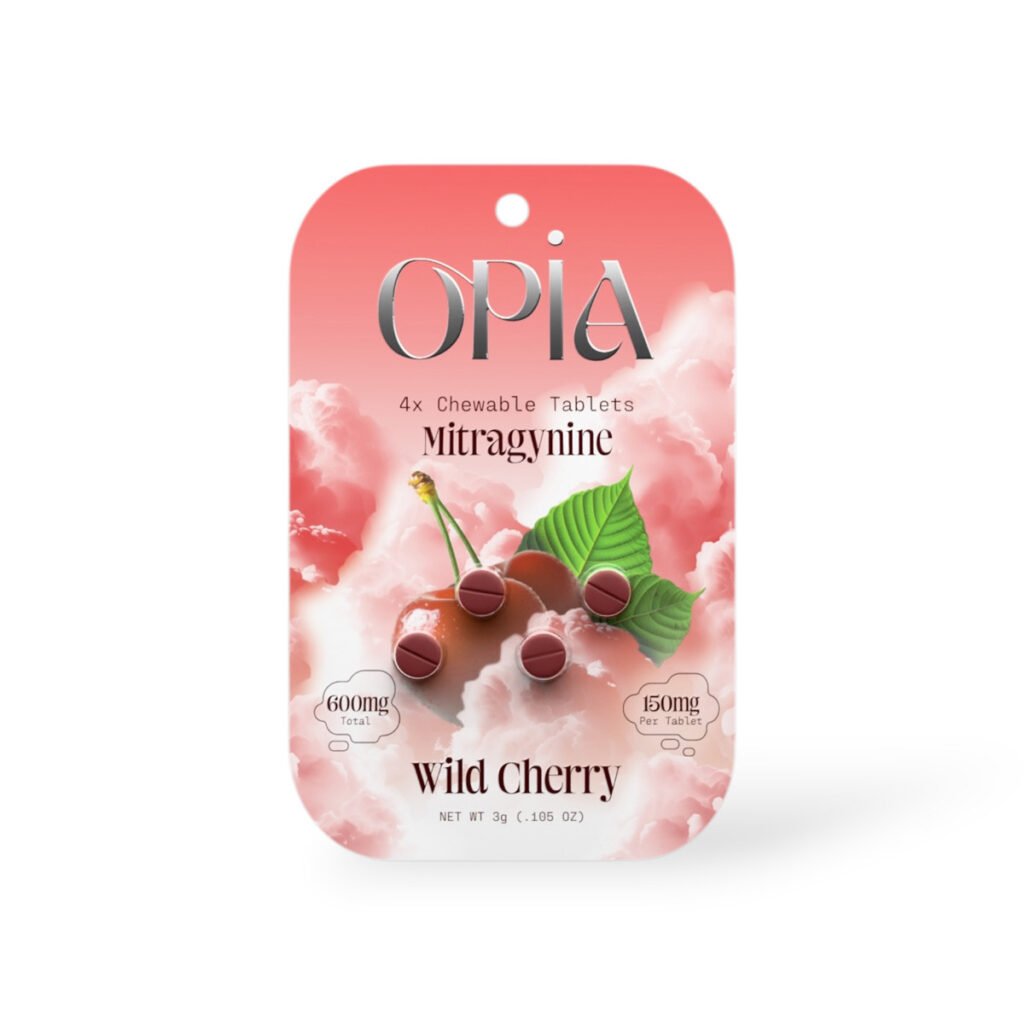
Mitragynine is kratom’s main alkaloid, while 7-OH is a trace one that labs concentrate. Here is how labels report each, the legal limits and the COA ratio check.
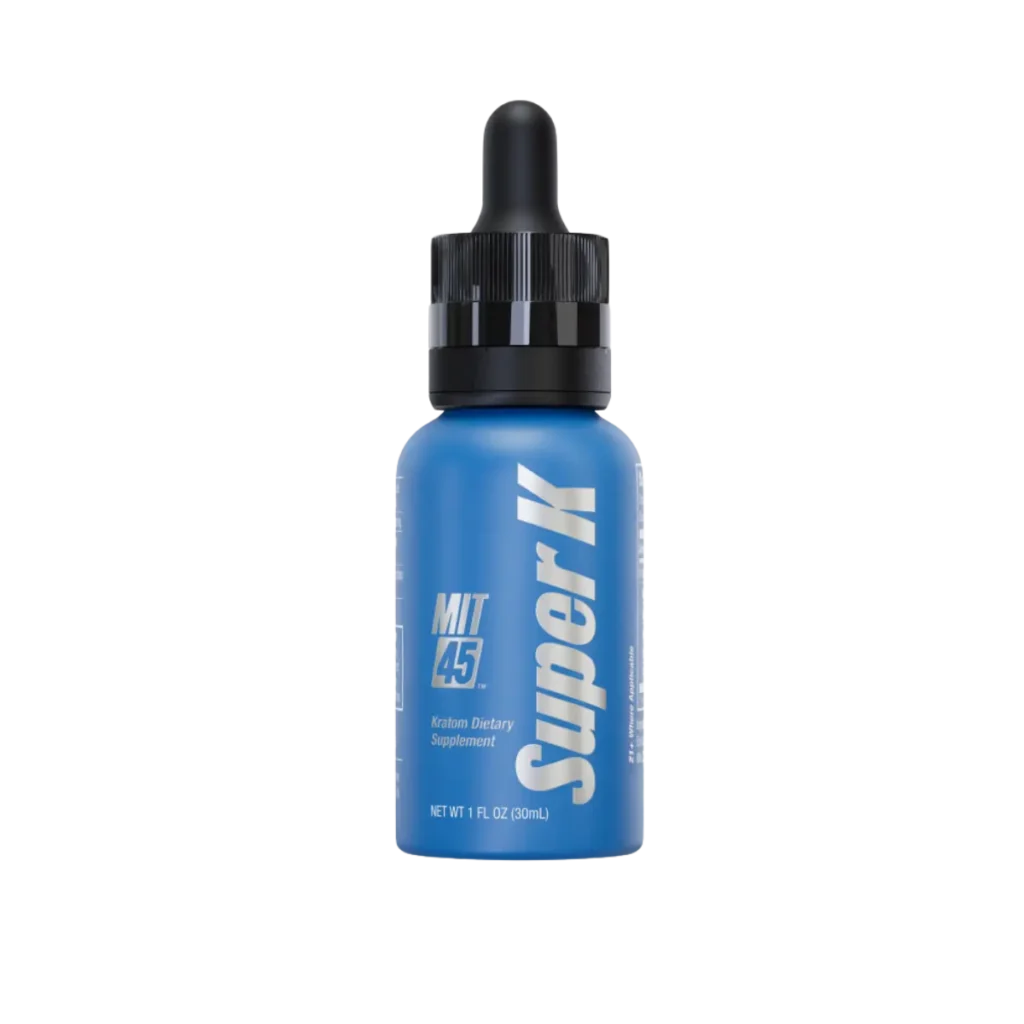
A plain-English walkthrough of every section on a kratom certificate of analysis, from alkaloids and 7-OH to metals, microbes, units and red flags.
The 45% on a kratom extract describes the extract, not the bottle. Learn to convert percent to mg, compare extracts with raw leaf, and verify it on a COA.
Standard 5- and 10-panel drug tests do not target kratom alkaloids, but kratom-specific urine tests exist. Here is what labs screen for and what research shows.

What the American Kratom Association’s GMP program audits, how to check a brand on its qualified vendor list, and why a lab report still matters.