18
Sep
Sep
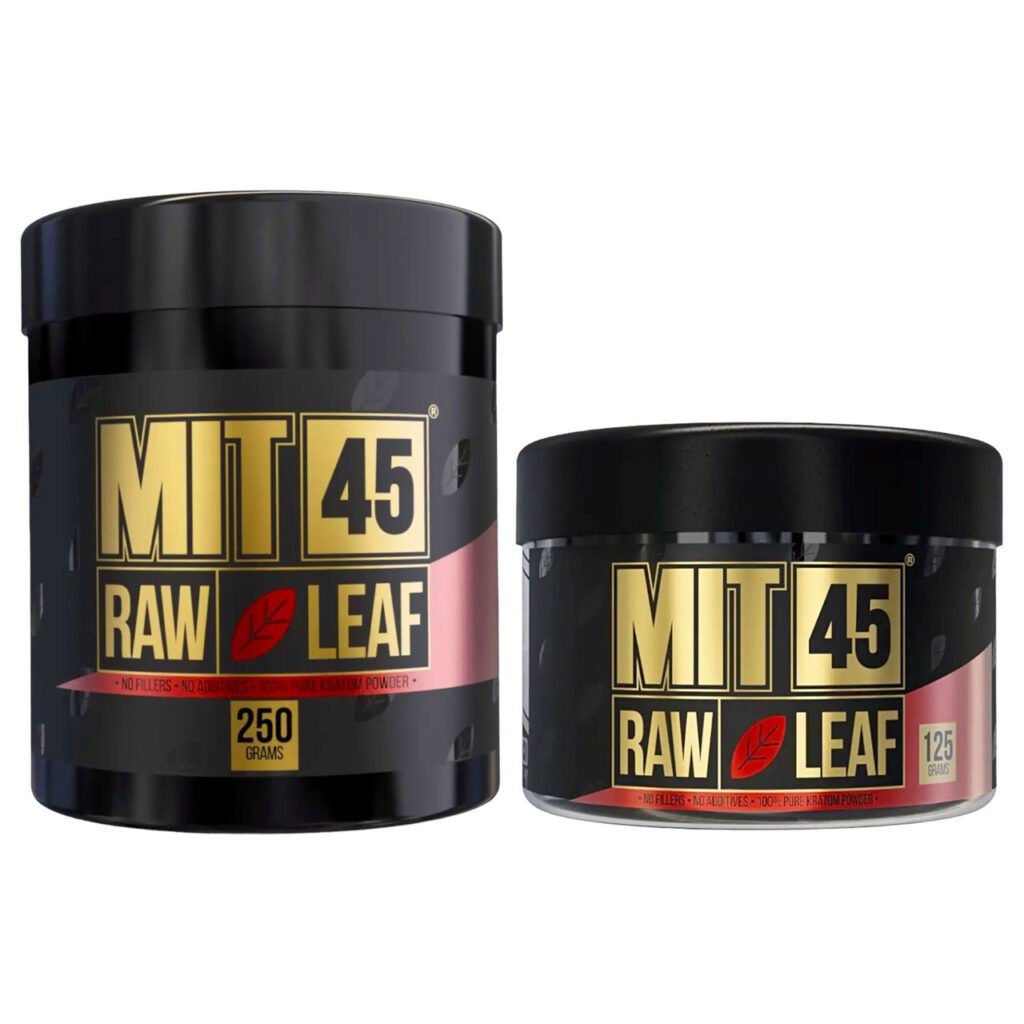
Raw leaf or extract? We compare how each is made, how labels state strength, real price per mg math, storage and the states that allow leaf only.
Raw leaf or extract? We compare how each is made, how labels state strength, real price per mg math, storage and the states that allow leaf only.
Mitragynine is kratom’s main alkaloid, while 7-OH is a trace one that labs concentrate. Here is how labels report each, the legal limits and the COA ratio check.

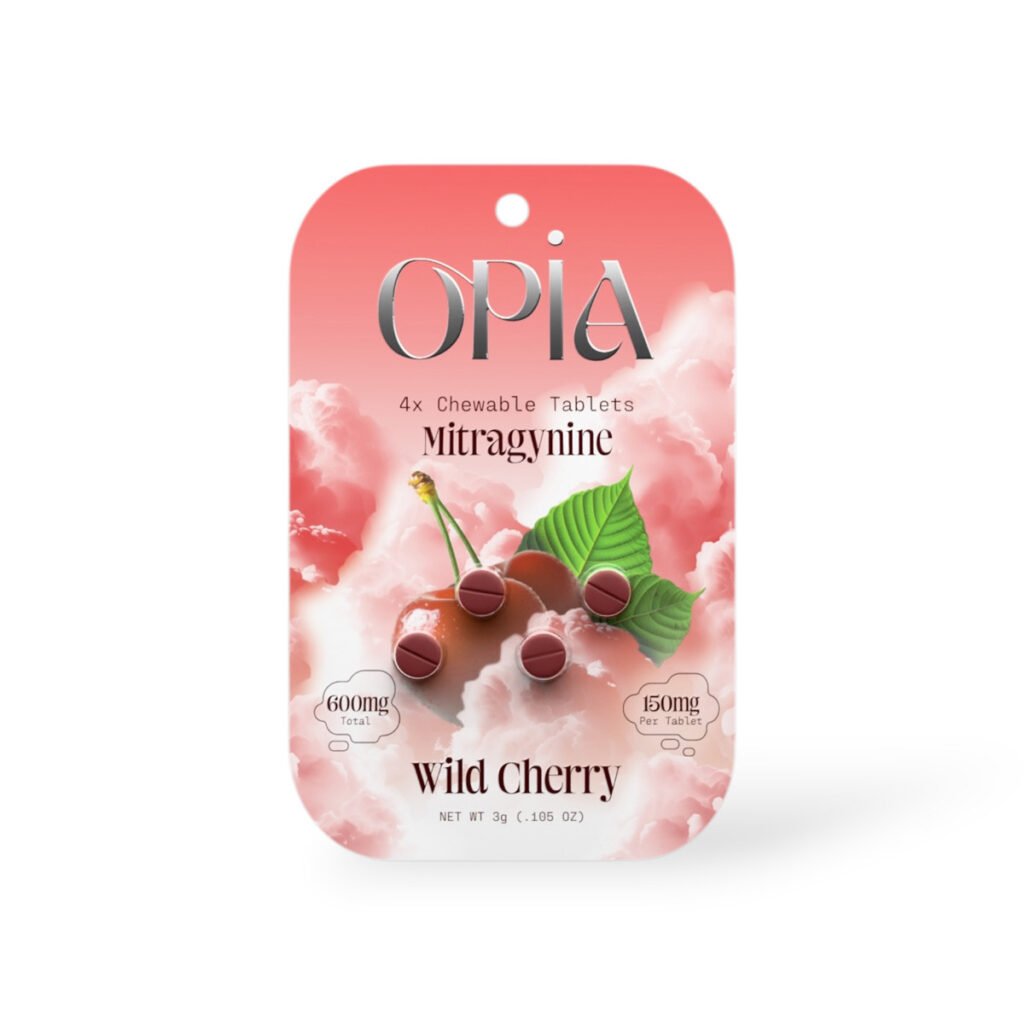
Eight leaf-alkaloid kratom tablets and chewables, compared by mg per tablet, what the label measures, flavors and price per mg. Picks by format, flavor and budget.
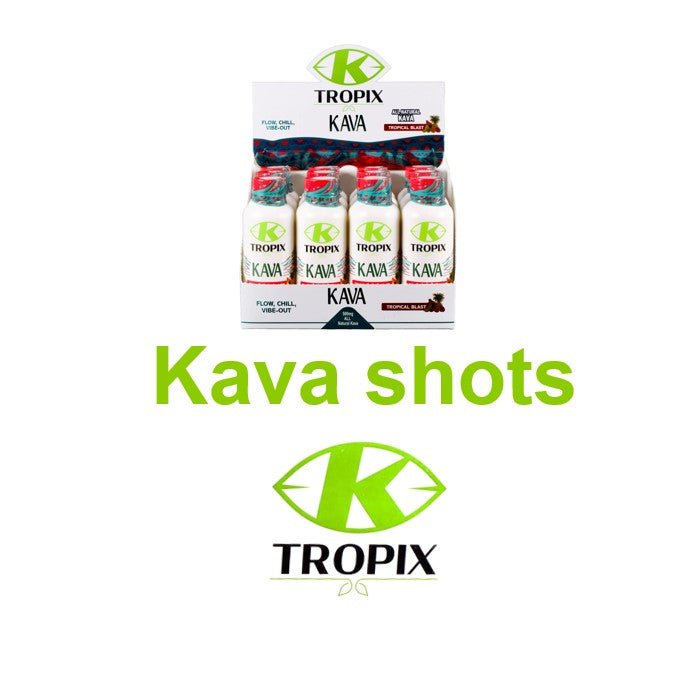
Kava and kratom come from unrelated plants with different compounds, histories, warnings and laws. Here is a sourced, side-by-side guide.

Local shops win on speed, but labels and lab reports decide quality. Here is how smoke shops and online sellers compare, plus a checklist for vetting any seller.
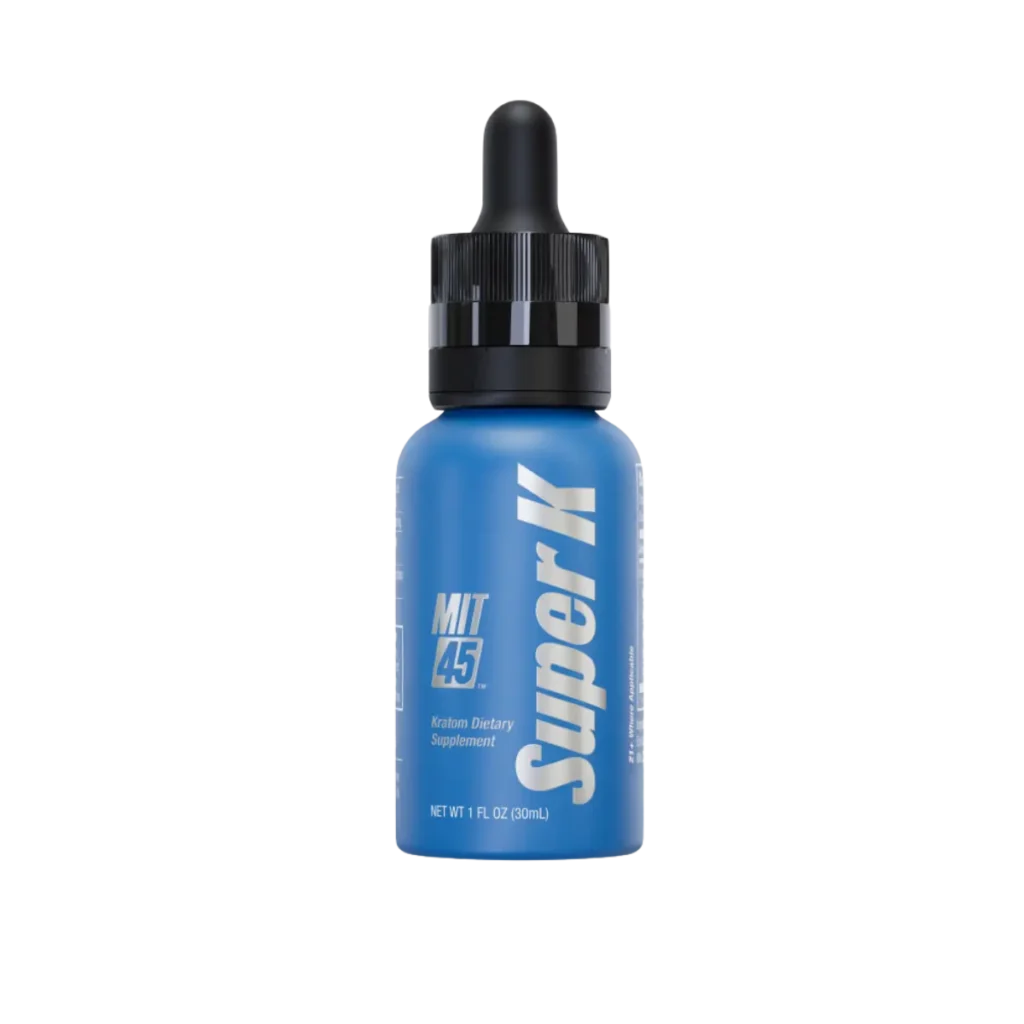
A plain-English walkthrough of every section on a kratom certificate of analysis, from alkaloids and 7-OH to metals, microbes, units and red flags.
What the KCPA model law requires, which states adopted a version, how 7-OH caps work, and how regulated states differ from ban states, updated October 2026.
The 45% on a kratom extract describes the extract, not the bottle. Learn to convert percent to mg, compare extracts with raw leaf, and verify it on a COA.
Standard 5- and 10-panel drug tests do not target kratom alkaloids, but kratom-specific urine tests exist. Here is what labs screen for and what research shows.
MP is a rearranged form of 7-OH that DEA placed in Schedule I on 26 August 2026, along with MGM-15 and MGM-16. Here is what it is and how to spot it.